Every Painting Begins with a Conversation
An artistic practice by ELIZA Leopold
My paintings do not begin with a finished idea. They begin with a question. Through a conversation between thought, intuition and the developing image, the work gradually takes shape. This process becomes part of its history – and part of my artistic archive.
From Thought to Work
At the beginning, there is usually no predetermined image, but a question. It may arise from an observation, a memory, a philosophical thought, or something that continues to occupy my mind.
As I paint, this initial question begins to change. Colour, form, chance and areas that have already emerged create possibilities that were not planned in advance. I respond to them, discard decisions, follow new traces and continue asking questions.
I understand this exchange as a conversation with the work. The painting is not an illustration of a predetermined idea. It develops its own logic and can change the very question from which it began.
These conversations and decisions are documented. After a work is completed, its philosophical core, its development and its position within my oeuvre are recorded in a dedicated work sheet and in my Catalogue Raisonné.
Question → Conversation → Painting → Transformation → Work → Documentation
The Conversation in the Work
A question may begin a painting, but it does not determine its outcome. Each work develops through decisions, discoveries and unexpected changes that become part of its final meaning.
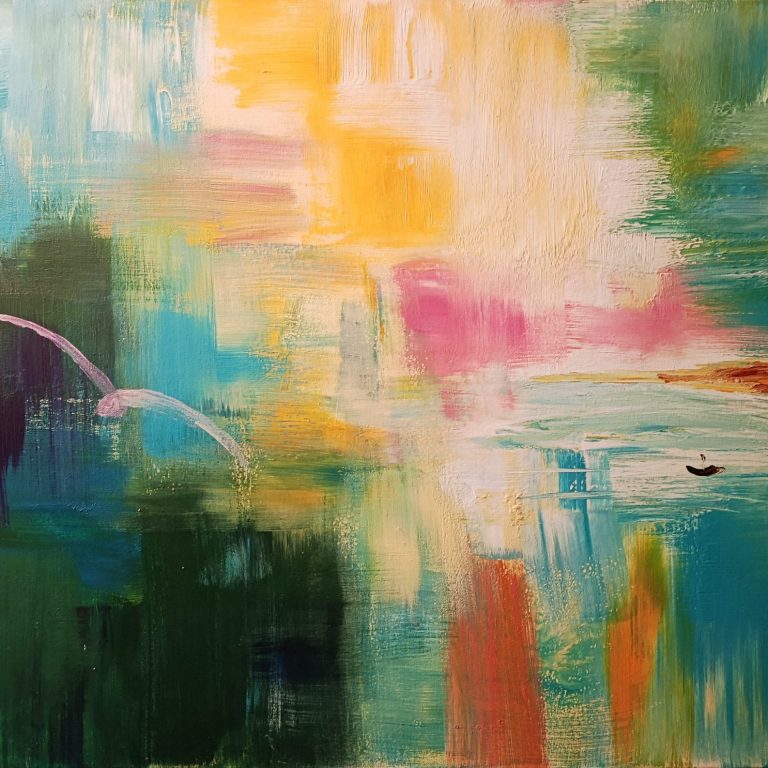
026 —
Before We See It
The Question
Can reality be larger than what we are currently able to perceive?
The Conversation
As the painting developed, recognisable elements emerged within an increasingly open and ambiguous space. The work shifted from depicting a scene towards questioning the limits of perception itself.
The Work
The finished painting leaves different realities unresolved. What we cannot yet recognise may nevertheless already exist.
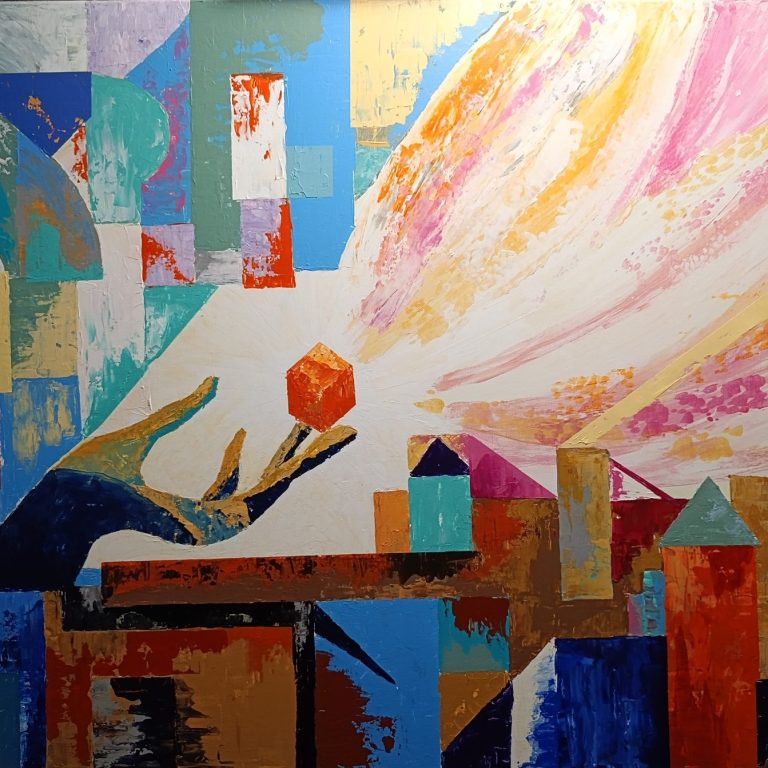
036 —
What Did Not Exist Yet
The Question
How does something enter the world that previously had neither form, name nor a predetermined place?
The Conversation
During the painting process, the act of creation became the subject itself. A hand releases an undefined form into an open space – somewhere between intention, possibility and the unexpected.
The Work
The painting became a reflection on creation as an open act: bringing something into existence without knowing completely what it will become.
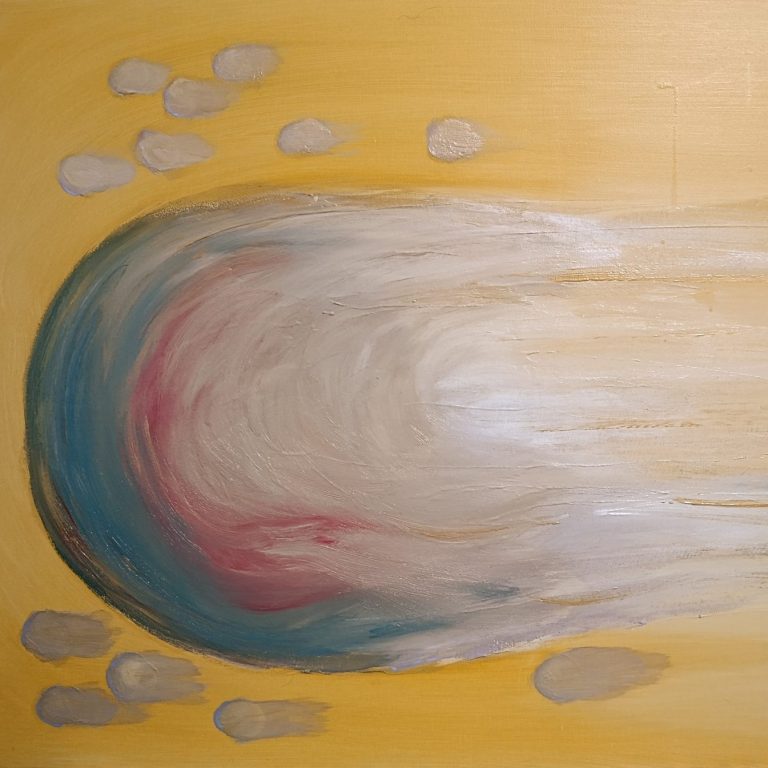
028 —
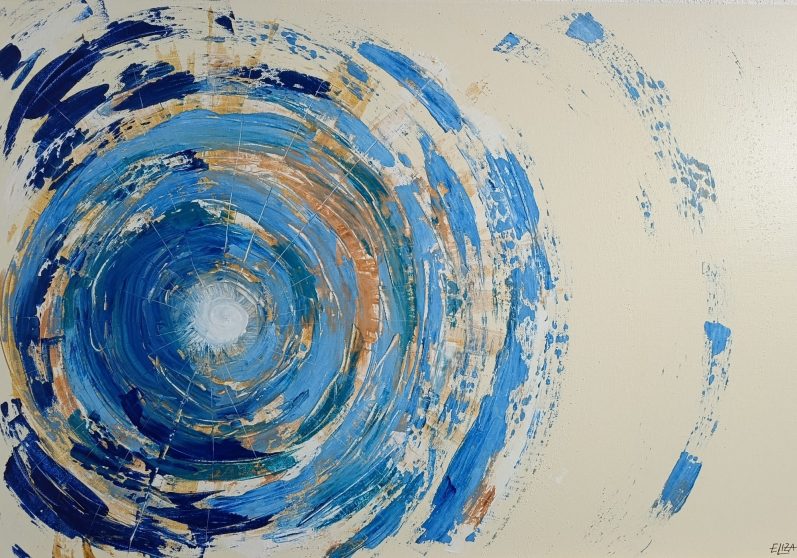
When the Boundary Ends
The Question
What happens to the individual when its boundary no longer exists?
The Conversation
The central form gradually lost its clear contour. Rather than depicting disappearance, the painting began to leave open whether the form dissolves, transforms, continues, or becomes part of something larger.
The Work
The finished work offers no answer. Perhaps not everything ends. Perhaps only the boundary does.
01
The Conversation Is Preserved
The questions, decisions and changes that shaped a painting are recorded as part of its history. The conversation does not disappear when the work is finished.
02
The Work Is Documented
Each completed work receives its own record with title, work number, year, medium, dimensions, philosophical core and its relationship to the wider oeuvre.
03
The Work Enters the Archive
The individual record becomes part of the Catalogue Raisonné. In this way, not only the finished artwork but also the thought and development behind it remain traceable over time.
The Work Becomes an Archive
For me, completing a painting is not the end of its story. The process that led to the work becomes part of the work’s documented history.
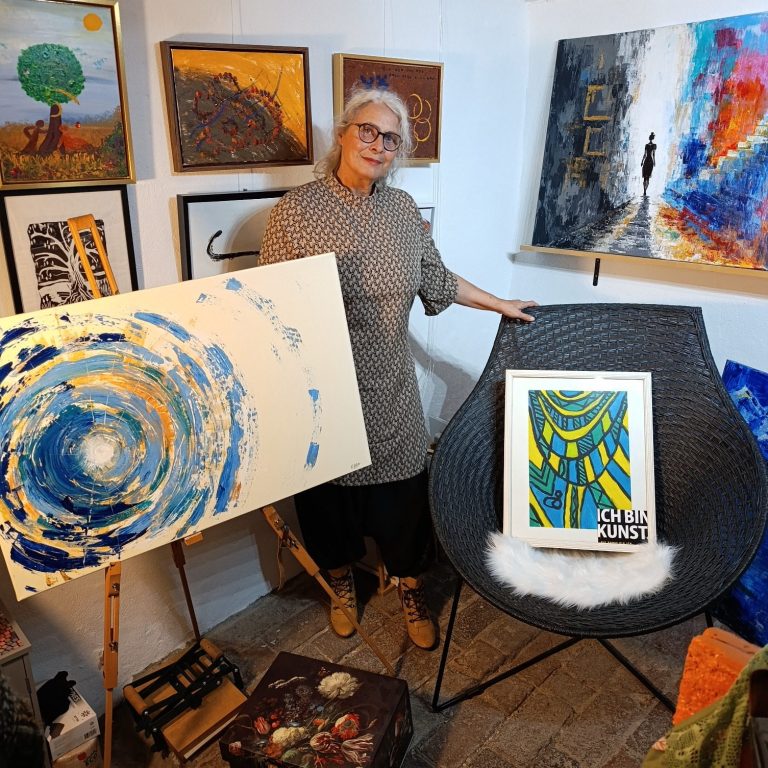
The Artist Behind the Conversation
ELIZA Leopold is a German contemporary artist whose work explores questions of human existence, perception, freedom and transfor-mation. Working primarily in painting and original printmaking, she combines abstract and figurative elements to create open visual spaces for philosophical reflection.
Her artistic process often begins with a question rather than a
predetermined image. Through an ongoing dialogue between thought, intuition and the developing work, ideas gradually take
visual form. The painting itself becomes an active part of this process: unexpected forms, colours and relationships can alter the original question and lead the work in a new direction.
Leopold understands documentation as part of her artistic practice. Studio conversations preserve the development of individual works, while work records and a Catalogue Raisonné place them within the wider context of her evolving oeuvre. Rather than offering definitive answers, her work creates spaces in which ambiguity, possibility and transformation can remain open.
Epilogue
The Conversation Continues
A finished painting does not close the question from which it began. It leaves something open – for me, for the next work, and for the person who encounters it.
Perhaps this is where the conversation truly continues: not only between thought and painting, but between the work and the viewer.
Every Painting Begins with a Conversation.
None of them has to end it.